Managing heat effectively is essential for the performance and lifespan of many electronic and mechanical systems.
When components generate more heat than they can safely dissipate, temperatures rise, efficiency can fall, and long-term reliability may suffer.
Aluminum heat sinks are widely used to move this unwanted heat away from sensitive components.
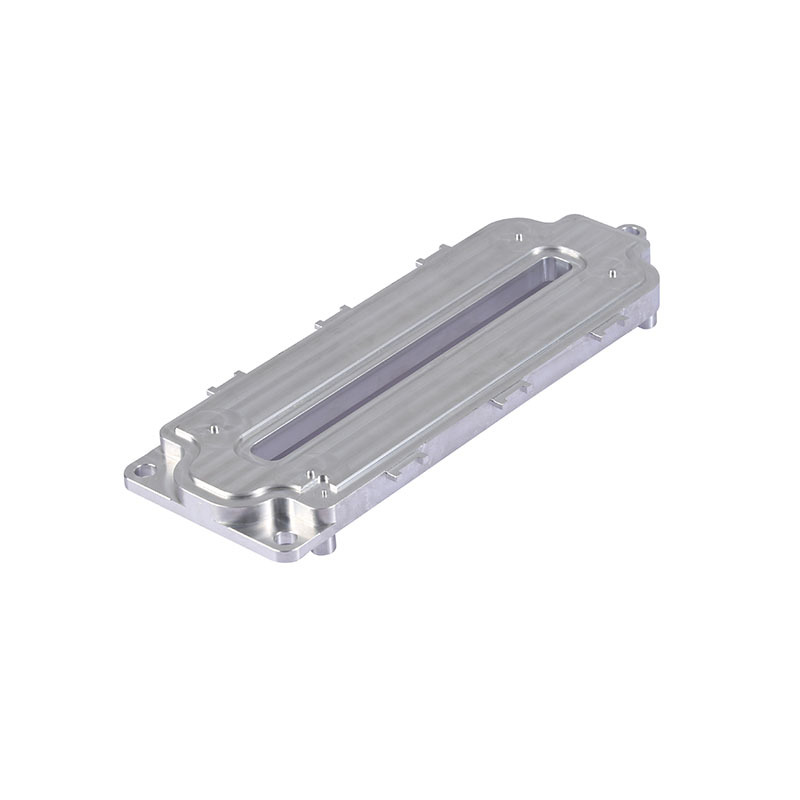
Aluminum heat sink design focuses on transferring heat from a device into the surrounding air efficiently.
Good performance depends not only on aluminum’s thermal conductivity, but also on fin size and spacing, base thickness, airflow, orientation, mounting, and thermal contact.
Aluminum is popular because it combines good thermal performance with low weight, manufacturability, and reasonable cost.
Next, we will look at why heat sinks are important, their main types, key design principles, common aluminum alloys, and practical ways to improve cooling performance.
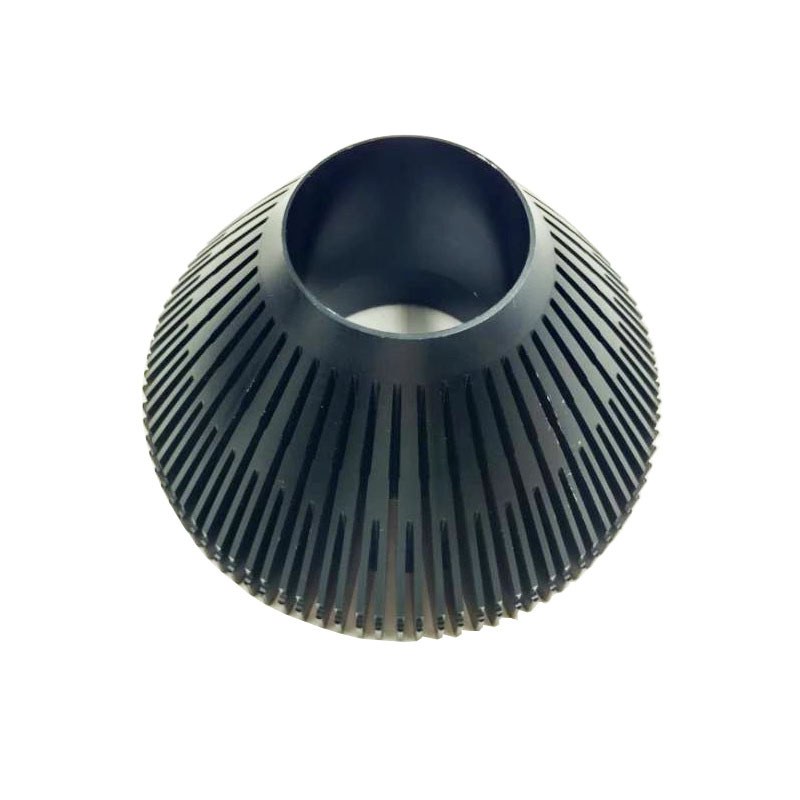
Why Is a Heat Sink Important?
A heat sink helps keep electronic components within a safe operating temperature range.
Without adequate heat dissipation, devices may experience reduced performance, shorter service life, or permanent damage.
Processors and power electronics may reduce output when temperatures rise, a behavior often known as thermal throttling.
LEDs can lose efficiency and lifetime when operated too hot, while other electronic components may become less reliable.
A useful way to evaluate a heat sink is by its thermal resistance, usually expressed in °C/W.
Lower thermal resistance generally means better heat dissipation for a given temperature difference. Actual performance also depends on ambient temperature and airflow.
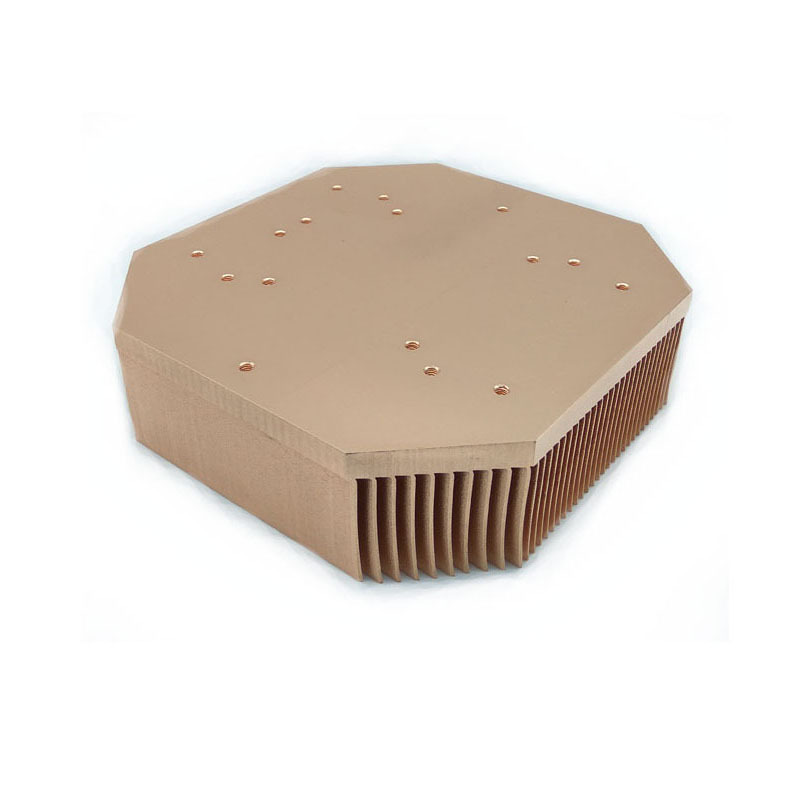
Different Types of Heat Sinks
Heat sinks may rely on natural convection or be used with fans and other forced-air systems.
Their construction also varies with performance, size, volume, and cost.
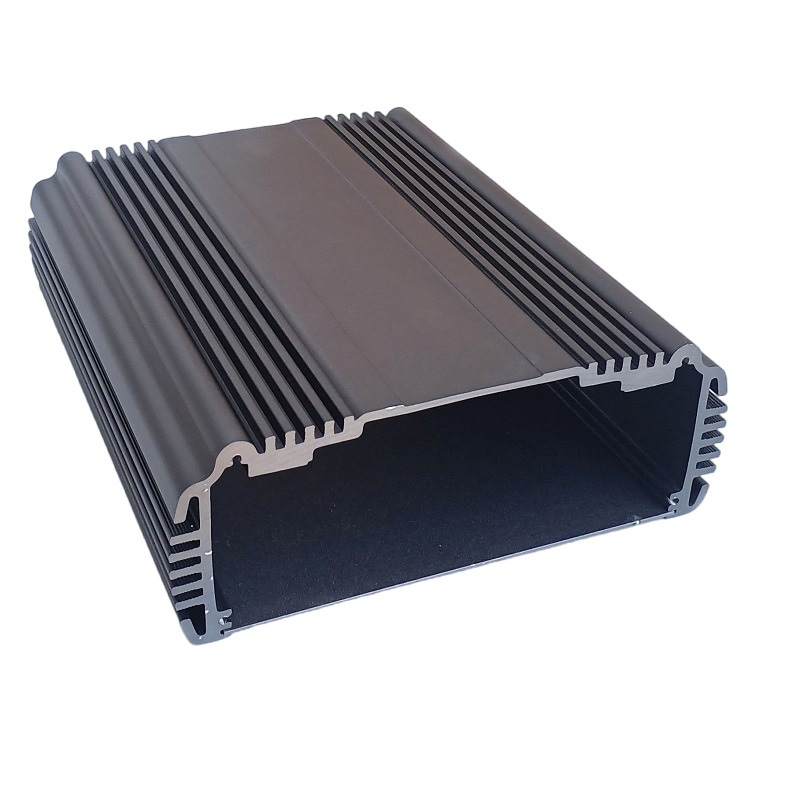
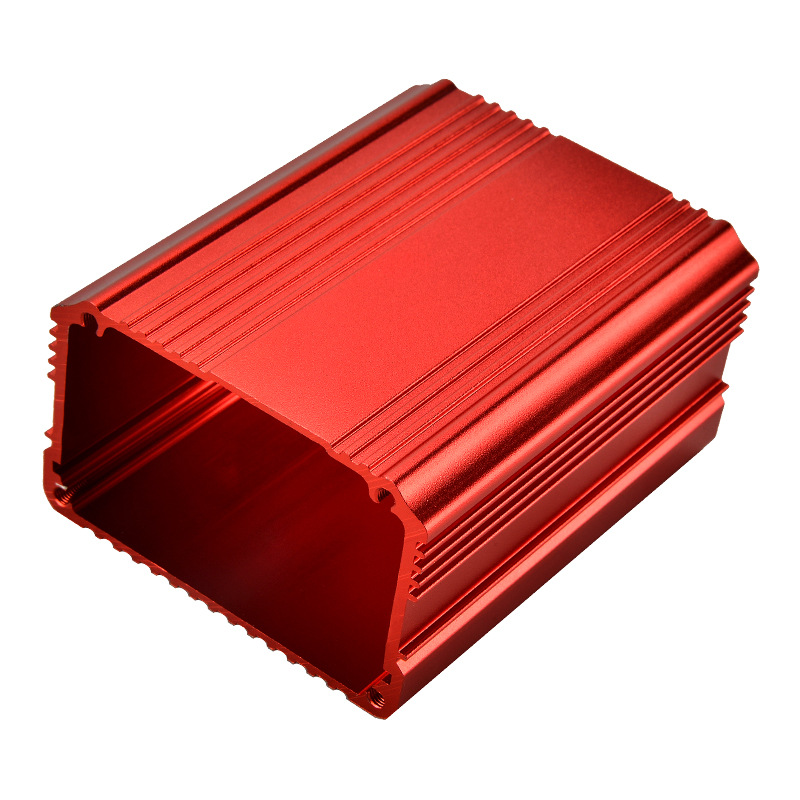
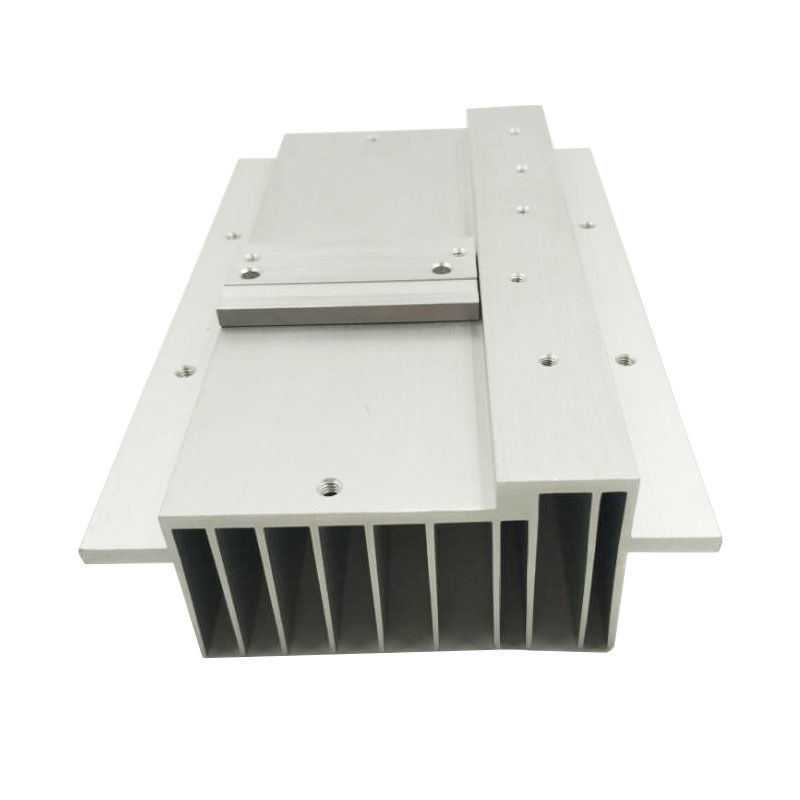
Extruded Heat Sinks: Aluminum is pushed through a die to create a continuous fin profile. Extrusion is economical and widely used for standard and custom designs.
Bonded Fin Heat Sinks: Individual fins are attached to a base, allowing high fin density or larger structures.
Stamped Heat Sinks: Fins are formed from sheet metal, making them cost-effective for moderate cooling requirements.
Folded Fin Heat Sinks: Thin metal sheets are folded into closely spaced fins to create high surface area in a compact volume.
Skived Heat Sinks: Fins are cut and raised directly from a solid base, creating a one-piece structure with thin fins.
Forged Heat Sinks: Forging can create strong heat sinks, including pin-fin designs suited to airflow from different directions.
No single type is best for every application. The right choice depends on heat load, available space, airflow, production quantity, and manufacturing cost.
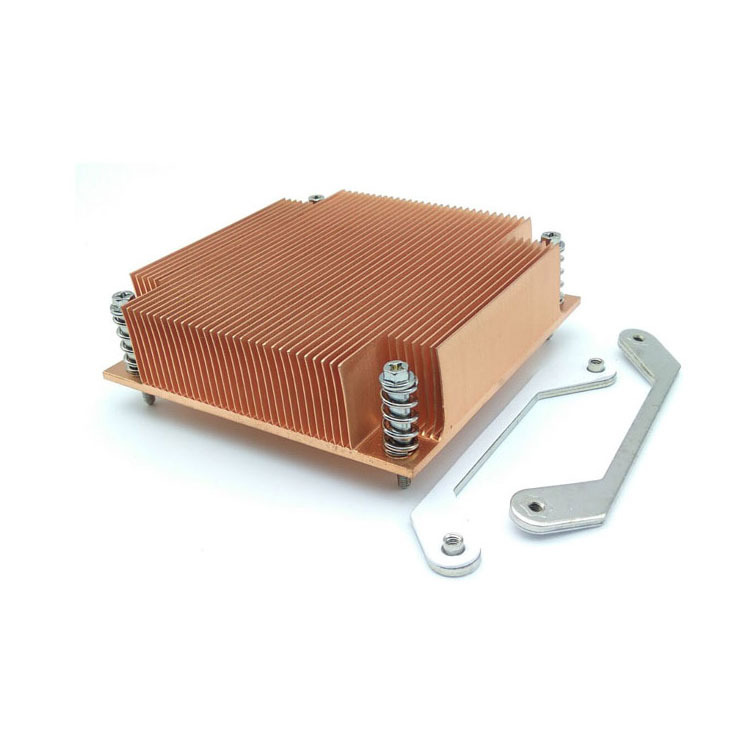
What are Principles of Aluminum Heat Sink Design?
Aluminum heat sink design revolves around optimizing thermal conductivity and maximizing surface area. Several factors are especially important:
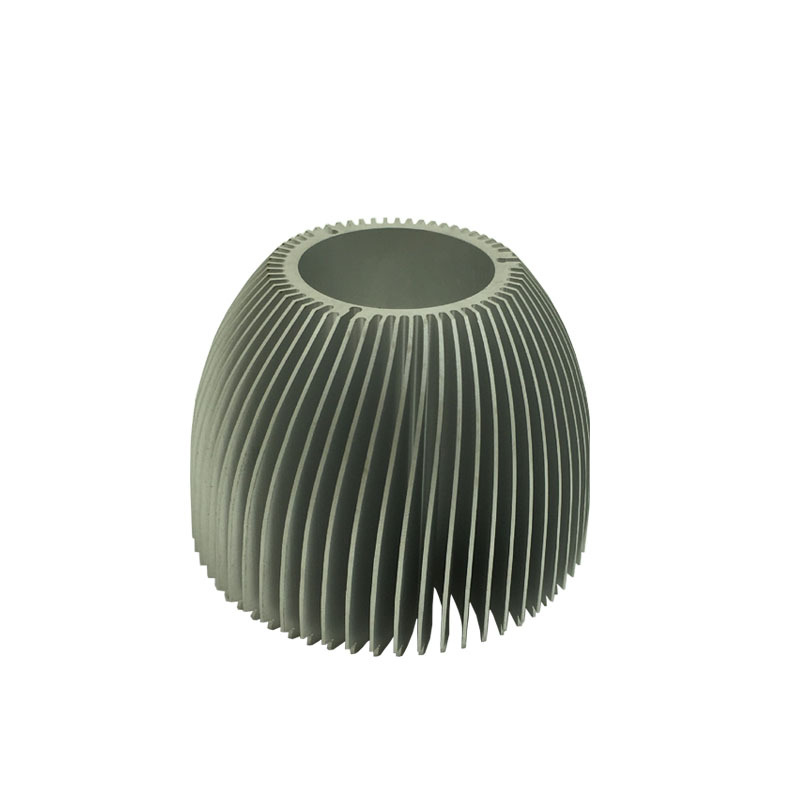
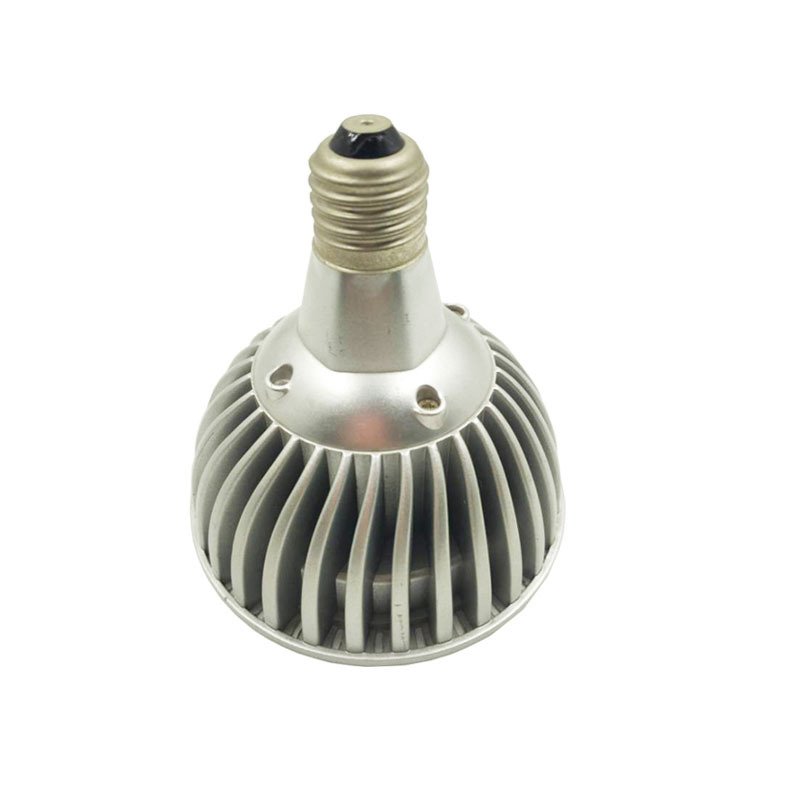
Fin Shape and Size: Fins should be designed to maximize airflow and heat dissipation. Different fin shapes, such as straight, louvered, or pin fins, offer varying levels of performance based on the specific cooling requirements.
Fin Spacing: Proper spacing ensures efficient airflow between fins, enhancing cooling performance. The spacing should be optimized to balance the resistance to airflow and the heat dissipation capabilities.
Orientation: Aligning fins with the direction of airflow improves heat transfer. Proper orientation can significantly enhance the cooling efficiency by reducing airflow resistance and improving convective heat transfer.
Base Thickness: The base must spread heat into the fins. A base that is too thin may create hot spots, while excessive thickness adds weight and material.
Airflow: The same heat sink can perform very differently under natural and forced convection, so airflow should be considered early in the design.
These factors interact. Increasing surface area alone cannot compensate for poor airflow or weak thermal contact.
Material Selection for Aluminum Heat Sinks Design
Aluminum is widely used because it offers a practical balance of thermal conductivity, low weight, corrosion resistance, cost, and manufacturability:
Two commonly used alloys are:
6061: Known for its strength and good thermal performance. This alloy is easy to machine and offers a good balance of mechanical properties and thermal conductivity.
6063: Offers excellent thermal conductivity and is easier to extrude into complex shapes. This alloy is commonly used in applications where intricate heat sink designs are required.
Other alloys, such as 1050 and 3003, may also be used when thermal conductivity, formability, or a particular manufacturing process is more important.
Material selection should therefore be considered together with the intended production method.
Design Tips for Aluminum Heat Sinks
Effective heat sink design involves considering factors such as thermal resistance, size and shape, and airflow nature. Here are some tips:
Use a Thermal Interface Material: Even apparently flat metal surfaces contain microscopic gaps. Thermal grease, pads, or other interface materials help displace trapped air and reduce contact resistance.
Match Fin Spacing to Airflow: Dense fins can work well with sufficient forced airflow, while wider spacing is usually more suitable for natural convection.
Ensure Proper Mounting: Screws, clips, springs, or other mounting systems should provide stable and reasonably uniform contact pressure.
Consider Manufacturing Early: Fin thickness, spacing, base geometry, and mounting features should suit the selected process, whether extrusion, skiving, forging, or CNC machining.
Use Surface Treatments Appropriately: Anodizing can improve corrosion resistance and appearance while increasing surface emissivity, although the thermal benefit depends on the cooling environment.
For custom thermal-management parts, a manufacturer such as Partzcore can produce aluminum heat sinks using extrusion, skiving, and CNC machining, allowing the process to be matched to the design requirements.
Heat pipes or fans may also be combined with a heat sink when passive cooling alone cannot handle the required heat load.
Summary:
Aluminum heat sink design is not simply a matter of adding as many fins as possible.
Effective cooling depends on how heat moves from the component into the base, through the fins, and into the surrounding air.
Fin geometry, spacing, airflow, orientation, base thickness, material, mounting, and thermal interface quality all influence performance.
Aluminum remains practical because it combines useful thermal performance with low weight, manufacturability, and cost.
By considering thermal requirements and manufacturing constraints together, designers can create heat sinks that provide reliable cooling without unnecessary size, weight, or complexity.